Fed Up With the Algorithm? Why Americans Are Flocking to Platforms That Actually Let You Own the Conversation
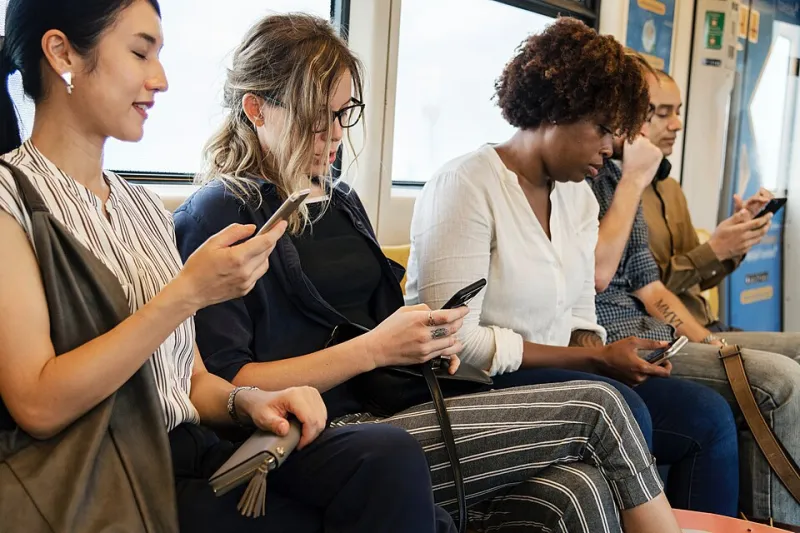
Photo: Rawpixel Ltd, CC BY 2.0, via Wikimedia Commons
At some point, something shifted. You opened your favorite social media app and realized you weren't really talking to anyone anymore. You were performing. You were optimizing. You were feeding a machine that had learned exactly which emotional buttons to press to keep you scrolling — and somewhere along the way, the actual human beings on the other side of the screen got lost in the noise.
If that resonates, you're not alone. Across the US, a growing number of people are walking away from the big centralized platforms and looking for something fundamentally different: spaces where they control the conversation, where their data isn't the product, and where community actually means something.
The Centralized Model Is Showing Its Age
For a long time, the pitch from the major social platforms was compelling. One account, billions of users, everything in one place. The network effect was real — your friends were there, so you were there, so your friends stayed.
But the cracks have been showing for years. Algorithmic feeds replaced chronological ones, meaning what you see is determined by what keeps you engaged, not necessarily what matters to you. Moderation decisions made by distant corporate teams affect communities with no input from their members. Platforms can — and do — change the rules overnight, killing communities that spent years building something meaningful.
And then there's the data question. Every conversation, every reaction, every moment of hesitation before you type and then delete — it's all being harvested and fed into advertising engines. You're not a user. You're inventory.
For a lot of Americans, that realization has become a dealbreaker.
What Decentralization Actually Means
The word "decentralized" gets thrown around a lot, so it's worth being specific about what it means in practice.
In a centralized platform, one company owns the infrastructure, sets the rules, and controls the data. Think of it like renting an apartment from a landlord who can change your lease, read your mail, and evict you at any time.
A decentralized platform distributes that power. In some models, this means the software itself is open-source and can be run by anyone — so no single company owns the whole network. In others, it means communities have genuine governance rights over their own spaces. In more radical versions, users actually own a stake in the platform itself.
Projects like Mastodon and the broader Fediverse operate on this federated model — independent servers that can talk to each other, each governed by its own community. Matrix-based chat networks offer similar flexibility. Even within more traditional forum structures, platforms are increasingly experimenting with giving communities real ownership over their rules, moderation, and direction.
The common thread: less corporate control, more human agency.
Why This Matters for Real Connection
Here's the thing about algorithmic platforms that doesn't get said enough: they're actually pretty bad at fostering genuine community, despite being marketed as connection tools.
When your reach is determined by engagement metrics, the incentive is always toward content that provokes a reaction — outrage, awe, controversy — rather than content that builds trust and nuance over time. Real relationships don't go viral. Thoughtful conversations don't generate the kind of dopamine spike that keeps advertisers happy.
Decentralized and community-owned spaces flip that equation. When there's no algorithm optimizing for engagement, the conversation can breathe. A thread can meander. Someone can post something quiet and considered and have it actually reach the people who care about it — not because it triggered a reaction, but because those people chose to be in that space.
This is the kind of environment that platforms like CentralChat are built to support. The whole premise — a central hub for real conversations — only works if the conversation itself isn't being manipulated by invisible forces with financial interests. Real connectivity requires real trust in the space you're inhabiting.
What Emerging Platforms Are Doing Differently
The shift isn't just philosophical. There are concrete, practical things that newer and decentralized platforms are doing that the legacy giants simply won't, because their business models don't allow it.
Chronological feeds by default. Sounds simple. Feels revolutionary. Seeing posts in the order they were made — rather than the order an algorithm decided would maximize your time-on-site — fundamentally changes how you interact with a community.
Transparent moderation. Community members can see the rules, appeal decisions, and in many cases vote on policy changes. Compare that to the black-box content moderation of major platforms, where accounts get suspended with little explanation and no meaningful recourse.
Portability and interoperability. On federated networks, your identity and your connections can move with you. You're not locked into a platform because leaving means losing everything you built. That changes the power dynamic significantly.
Smaller, intentional communities. Rather than one massive undifferentiated feed, many decentralized spaces are organized around specific communities with clear purposes. The result is conversations that are more focused, more civil, and more genuinely useful.
The Challenges Ahead
None of this is without friction. Decentralized platforms often have steeper learning curves. Setup can be confusing. The communities are smaller, which is also their strength but can feel limiting if you're used to the scale of mainstream social media.
There's also a real risk that decentralization becomes its own kind of echo chamber. Without the messy, accidental cross-pollination of a truly open platform, communities can calcify around their existing assumptions. Diversity of perspective — one of the genuine upsides of large-scale platforms — can be harder to maintain when everyone self-selects into their preferred corner of the internet.
And for many Americans, particularly older users or those with less tech fluency, the barrier to entry remains high. A more equitable version of this movement needs to prioritize accessibility alongside autonomy.
The Bigger Picture
What's happening with decentralized platforms isn't just a tech trend. It's a reflection of a broader cultural reckoning with who gets to shape public conversation in America — and whether the answer should be a handful of Silicon Valley corporations or the communities themselves.
The people migrating toward these spaces aren't just looking for a different app. They're looking for something that feels like it belongs to them. A place where showing up and talking honestly is the whole point, not a means to someone else's monetization strategy.
That's a pretty compelling vision. And as more Americans get frustrated with the alternative, it's one that's going to keep gaining ground.