Where Did Everybody Go? The Slow Death of the Third Place and What Digital Spaces Are Doing About It
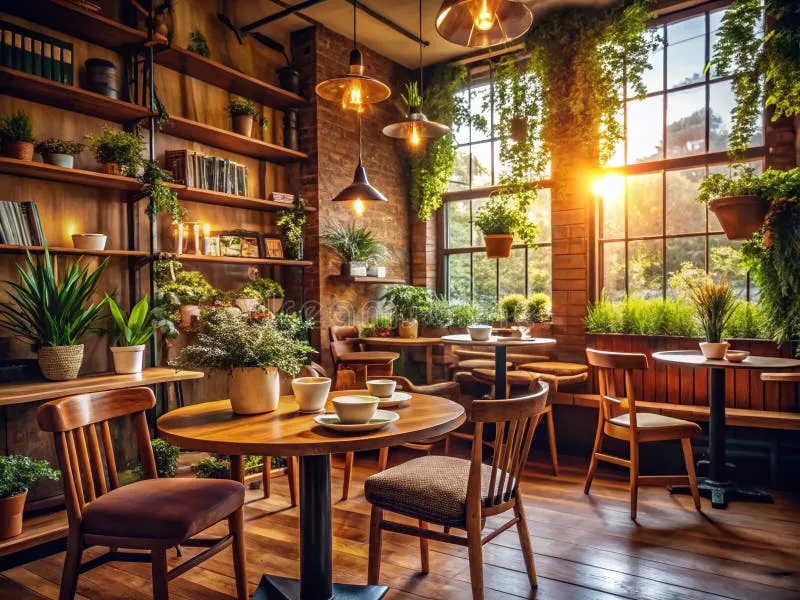
Photo: empty neighborhood coffee shop interior warm lighting community gathering, via thumbs.dreamstime.com
There used to be a place between work and home where you just... existed with other people. Not because you had an agenda. Not because you RSVPed to something. You just showed up, grabbed a coffee, and somehow ended up in a forty-minute conversation about local politics with a retired teacher named Frank.
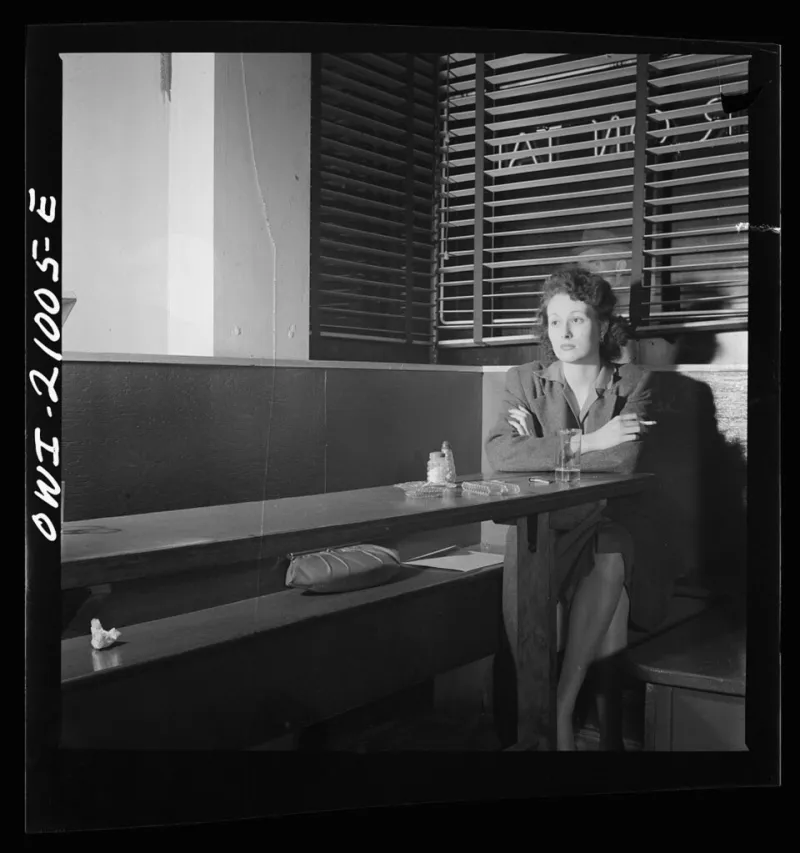
That place — what sociologist Ray Oldenburg famously called the "third place" — was never glamorous. It was the diner booth, the barbershop, the library reading room, the community center ping-pong table. It was unglamorous, unhurried, and absolutely essential to how Americans connected with each other outside of family and work.
And for a lot of people, it's gone.
The Numbers Don't Lie
Over the last two decades, America has quietly hemorrhaged these spaces. Independent coffee shops, bowling alleys, and civic clubs have shuttered at a steady pace. Church attendance — for a long time one of the most reliable third-place institutions in the country — has dropped significantly, particularly among younger adults. Public libraries are underfunded and under threat in many municipalities. Even the mall, that peculiarly American third place, is a shell of what it once was.
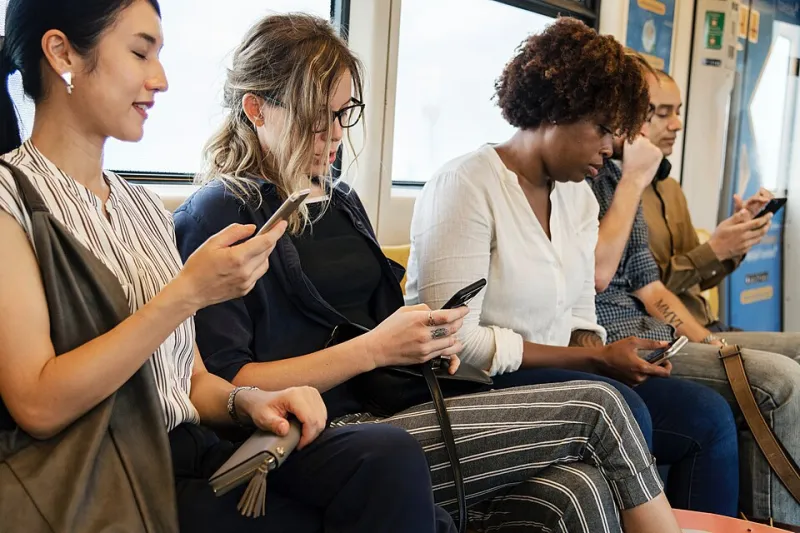
The reasons are layered. Rising commercial real estate costs have pushed out small gathering spots. Car-dependent suburban sprawl made casual drop-ins less practical. Longer work hours ate into the margin of free time where spontaneous socializing used to live. And then, of course, the smartphone arrived and gave everyone a reason to stay home.
The result? A loneliness epidemic that public health officials are now treating as seriously as any chronic disease. The U.S. Surgeon General has called it out explicitly. Millions of Americans report having fewer close friends than they did a decade ago. The casual acquaintance — the neighbor you wave to, the regular you nod at across the coffee shop — has nearly vanished from daily life.
Enter the Digital Gathering Spot
Here's where things get interesting. Around the same time that physical third places were declining, something else was quietly growing: niche online communities built around shared passions, local interests, and genuine conversation.
We're not talking about the algorithmic scroll of mainstream social media, where you shout into a void and hope an engagement metric validates your existence. We're talking about something more like what CentralChat was built around — a hub where real conversations happen, where people show up because they actually want to talk to each other.
Subreddits built around hyper-specific hobbies. Discord servers for local neighborhoods. Forums dedicated to amateur astronomy in the Pacific Northwest or sourdough baking in the Southeast. These spaces have something surprisingly in common with the old third place: they're low-stakes, recurring, and built on the idea that you don't need a reason to be there beyond wanting to connect.
What's Actually Working
The online communities that most successfully replicate the third-place feeling share a few qualities worth paying attention to.
They're small enough to recognize each other. The best digital gathering spots aren't massive. They have regulars. You start to notice the same usernames, the same humor, the same people who always have a thoughtful take. That familiarity is everything — it's what turns a platform into a place.
They have a loose but real identity. Just like a neighborhood bar has a vibe, successful online communities develop a culture. Inside jokes accumulate. Certain topics become traditions. There's an unspoken understanding of what this space is for and who belongs here.
Conversation is the point, not the product. In spaces where authentic connection flourishes, the platform isn't trying to monetize your attention at every turn. The goal is the exchange itself — not the data it generates.
Moderation acts like a good host. The best third places had someone keeping the peace without suffocating the energy. Online, that translates to thoughtful moderation that protects the room's culture without turning it into a sterile, over-policed environment.
What's Still Missing
Let's be honest, though. Digital spaces haven't fully cracked it yet, and pretending otherwise would be doing a disservice to the real thing.
The spontaneity is harder to manufacture online. You can't accidentally overhear a fascinating conversation and lean in. You can't read a room with your body. The ambient social texture of a physical space — the background hum of other lives happening around you — doesn't translate through a screen.
There's also the question of who gets left out. The third place was, at its best, democratizing. You didn't need a subscription or a device or reliable broadband to sit in a park or hang out at a community center. Digital communities carry access barriers that physical ones, theoretically, don't.
And then there's the embodiment problem. Humans are wired for physical presence. Eye contact. Shared space. The kind of trust that builds when you've literally been in the same room with someone. Online connection is real — but it's different, and acting like it's a straight swap misses something important.
Building Something That Lasts
The conversation about third places isn't really about nostalgia. It's about what humans need to feel less alone and more rooted in a community larger than themselves.
Digital platforms like CentralChat are genuinely part of the answer. When they're designed around real conversation — not engagement farming, not viral content, not follower counts — they can create something that functions like a gathering place. A spot where you show up, see familiar faces (or usernames), and feel like you belong somewhere.
But the best version of this future probably isn't either/or. It's online communities that strengthen local ties rather than replace them. It's a Discord server that organizes a real-world meetup. It's a neighborhood forum that gets people talking and then gets them outside.
The third place isn't dead. It's looking for a new address. And increasingly, that address is somewhere online — if the space is built right.